Go paperless without ripping out paper.
Most manufacturers do not need a big-bang digital rollout. They need the paper on the line to be right, and a clear path to screens when they are ready. HEKA delivers the same revision-controlled instruction on both, so you can move at your own pace.
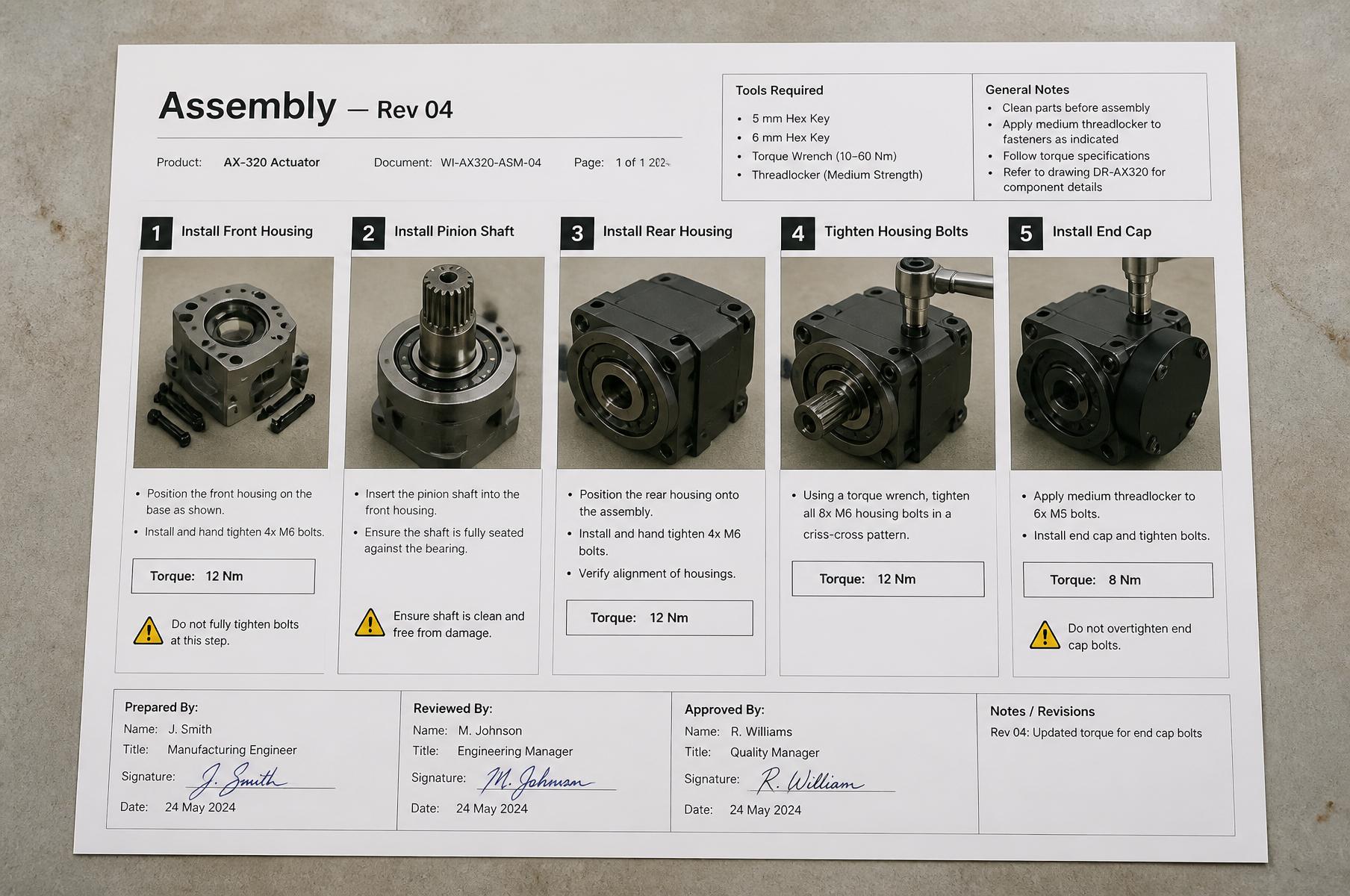
Paperless projects stall when they demand everything at once.
Rip-and-replace rollouts ask a factory to change its habits, its hardware and its documents on the same day. They rarely finish. HEKA keeps paper working while you digitise, so the transition is gradual, low-risk and reversible until you are ready.
One controlled source. Paper and screen in step.
Beautiful A4, always current
Print revision-controlled sheets that are readable across shifts and lighting. Every reprint comes from the single approved source, so the paper on the line is never out of date.
The same instruction, on screen
Bring stations online whenever a process is ready. Operators see the exact instruction, with photos and steps, that engineering approved, no separate digital version to maintain.
No version drift between office and floor
Paper and digital are two views of one controlled document. Change it once and both update, with a signed trail of who approved what and when.
Digitise one process at a time
You do not have to go all-in on day one. Start with a single line, prove the value, then expand. HEKA supports paper, hybrid and fully digital operations side by side.
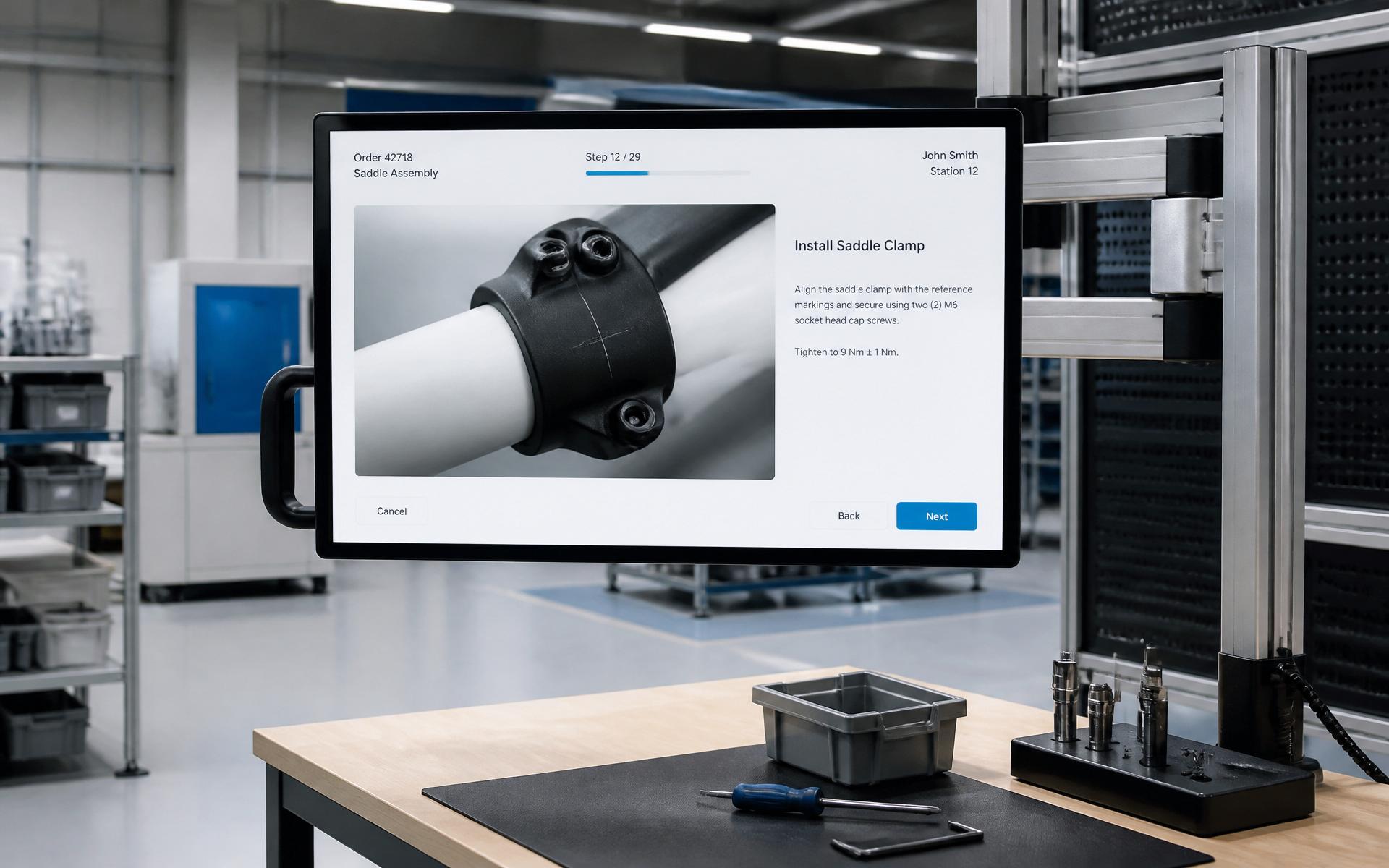
Bring stations online, one at a time.
- Turn on screens for the processes that benefit most first
- Operators see exactly what engineering approved, nothing else
- Paper stays available as a fallback for as long as you need it
Ready to go paperless at your own pace?
Start with a single line, prove the value, then expand. We help you configure the right starting point.